


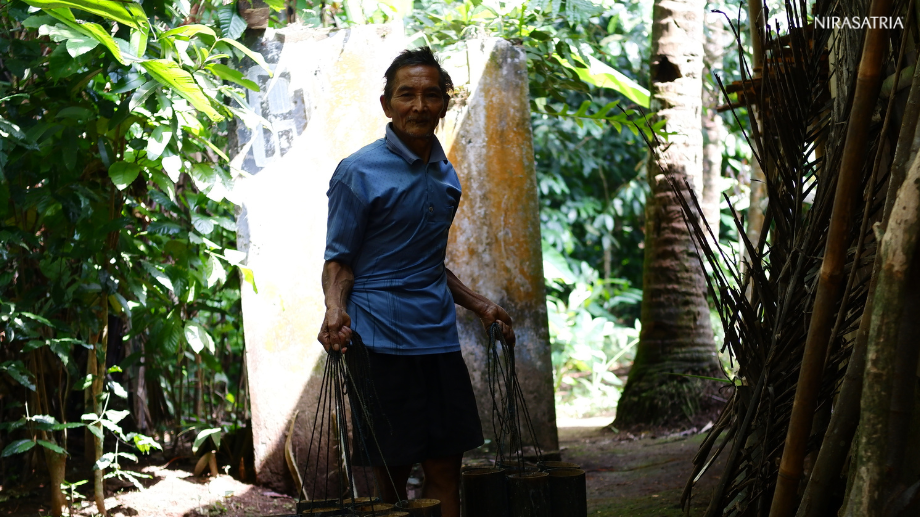
01 Aug Coconut Sugar Farmer: Their Contribution and Dedication
Indonesia is a country with a rich agricultural heritage, and farming plays a crucial role in its economy and society. Indonesian farmers engage in a diverse range of agricultural activities, utilizing various agricultural practices and techniques.
The contribution and dedication being a coconut sugar farmer involves cultivating coconut trees to produce coconut sap. It is then collected and processed to obtain coconut sugar. Coconut sugar is a natural sweetener from the sap of the coconut palm tree flowers. It has gained popularity as a healthier alternative to refined sugar due to its lower glycemic index and higher nutrient.

The typical process of being a coconut sugar farmer:
Cultivating Coconut Trees: As a farmer, it would be necessary to plant and maintain coconut trees on the farm. These trees take several years to mature and start producing coconut sap, so it requires long-term commitment and patience.
Harvesting Coconut Sap: The harvesting coconut sap process involves climbing the coconut trees and collecting the sap from the flowers. Making a small incision in the flower bud, then the sap drips into a container attached to the tree.
Processing Coconut Sap into Sugar: After collecting the sap, there will be a process to transform into coconut sugar. The heating process of the sap is in large pans or kettles until the water content evaporates, leaving behind the crystalline coconut sugar.
Packaging and Distribution: After the coconut sugar is processed and cooled, it is packaged and prepared for distribution. Depending on your scale of operation, you may sell it locally or supply it to regional or international markets.
Sustainable Practices: Sustainable and eco-friendly practices are essential for coconut sugar farming. Proper management of coconut plantations, avoiding over-harvesting, and taking measures to protect the environment and biodiversity are crucial aspects of being a responsible coconut sugar farmer.
Market and Sales: As with any agricultural venture, you would need to identify potential buyers and understand the market demand for coconut sugar. Building a network of customers and maintaining good relationships with them is vital for long-term success.
Challenges: Coconut sugar farming may face challenges such as weather-related risks (droughts, typhoons), competition with other sweeteners, and fluctuations in market demand. It’s essential to stay informed about market trends and continuously improve your farming practices.

Remember that being a coconut sugar farmer requires knowledge of agriculture, dedication to sustainable practices, and a willingness to adapt to changing market conditions. Additionally, local regulations and certifications related to organic farming might also be important considerations depending on the target markets.
No Comments