


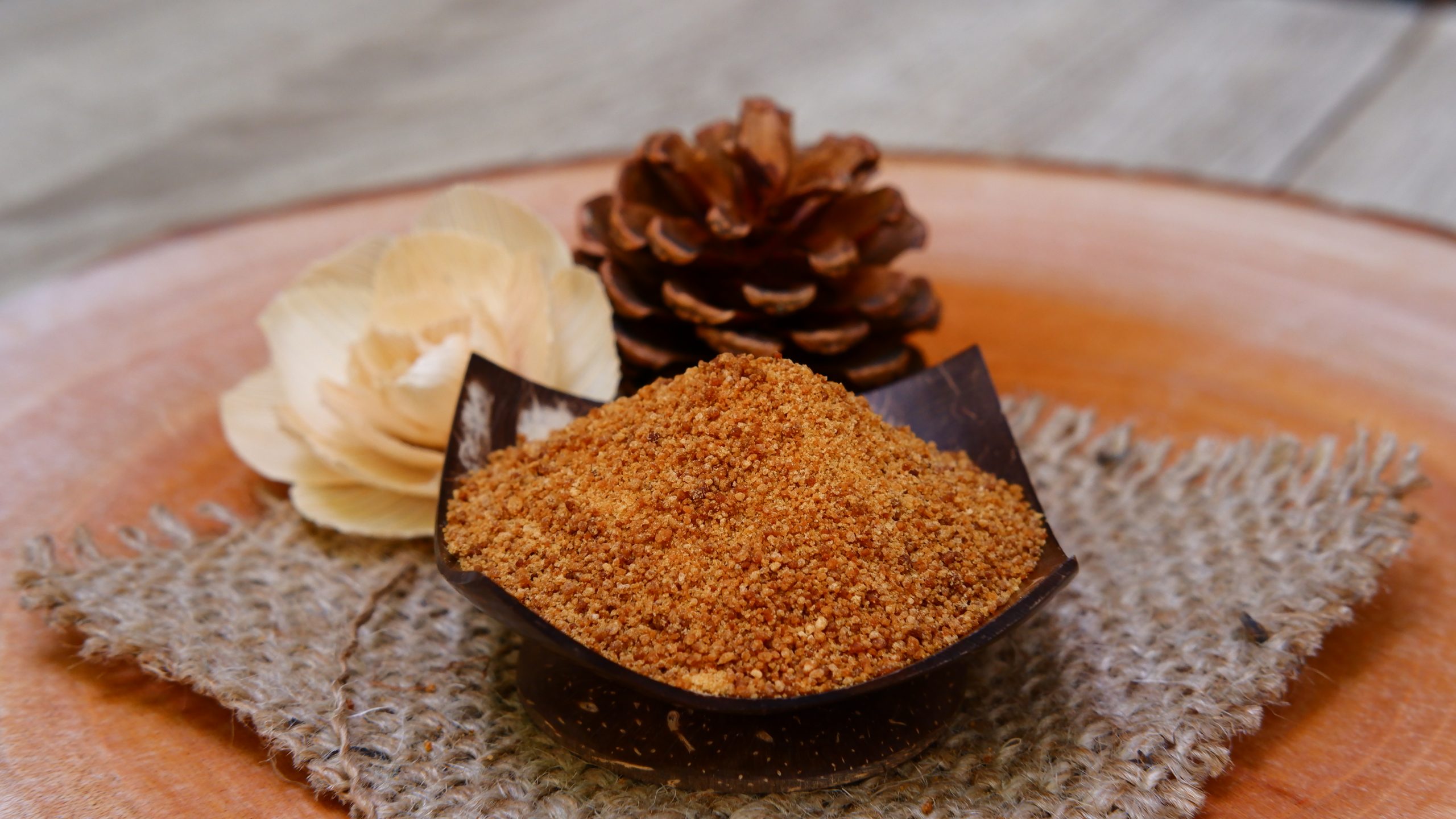
15 Mar Coconut Sugar Or Stevia?
When comparing coconut sugar and stevia for a healthy lifestyle, it’s essential to consider their differences:
Coconut Sugar:
1. Natural Sweetener: Coconut sugar is derived from the sap of coconut palm trees.
2. Nutrient Content : It contains small amounts of nutrients like iron, zinc, calcium, and potassium.
3. Glycemic Index : Coconut sugar has a lower glycemic index (GI) compared to regular sugar, meaning it causes a slower rise in blood sugar levels.
4. Calorie Content : It’s calorie-dense, similar to regular sugar, providing about 15 calories per teaspoon.
5. Flavor Profile : Coconut sugar has a caramel-like flavor, similar to brown sugar.
Stevia
1. Plant-Based Sweetener : Stevia is extracted from the leaves of the Stevia rebaudiana plant.
2. Zero Calories : It has virtually no calories, making it suitable for those looking to reduce calorie intake or manage weight.
3. Glycemic Index : Stevia does not affect blood sugar levels and has a glycemic index of zero.
4. Intense Sweetness : Stevia is much sweeter than sugar, so only a small amount is needed for sweetness.
5. Zero Nutrients : Unlike coconut sugar, stevia does not contain any significant nutrients.
Which one is healthier depends on your specific health goals and dietary preferences:
Weight Management : Stevia may be more suitable due to its zero-calorie content.
Blood Sugar Control : Stevia is preferable for those monitoring blood sugar levels due to its minimal impact.
Nutrient Intake : If you’re looking for a sweetener with some nutritional content, coconut sugar may be a better choice.
Taste Preference : Coconut sugar has a distinct flavor, while stevia can have a slight aftertaste for some individuals.
Ultimately, both coconut sugar and stevia can be part of a healthy lifestyle when consumed in moderation as part of a balanced diet.
No Comments