


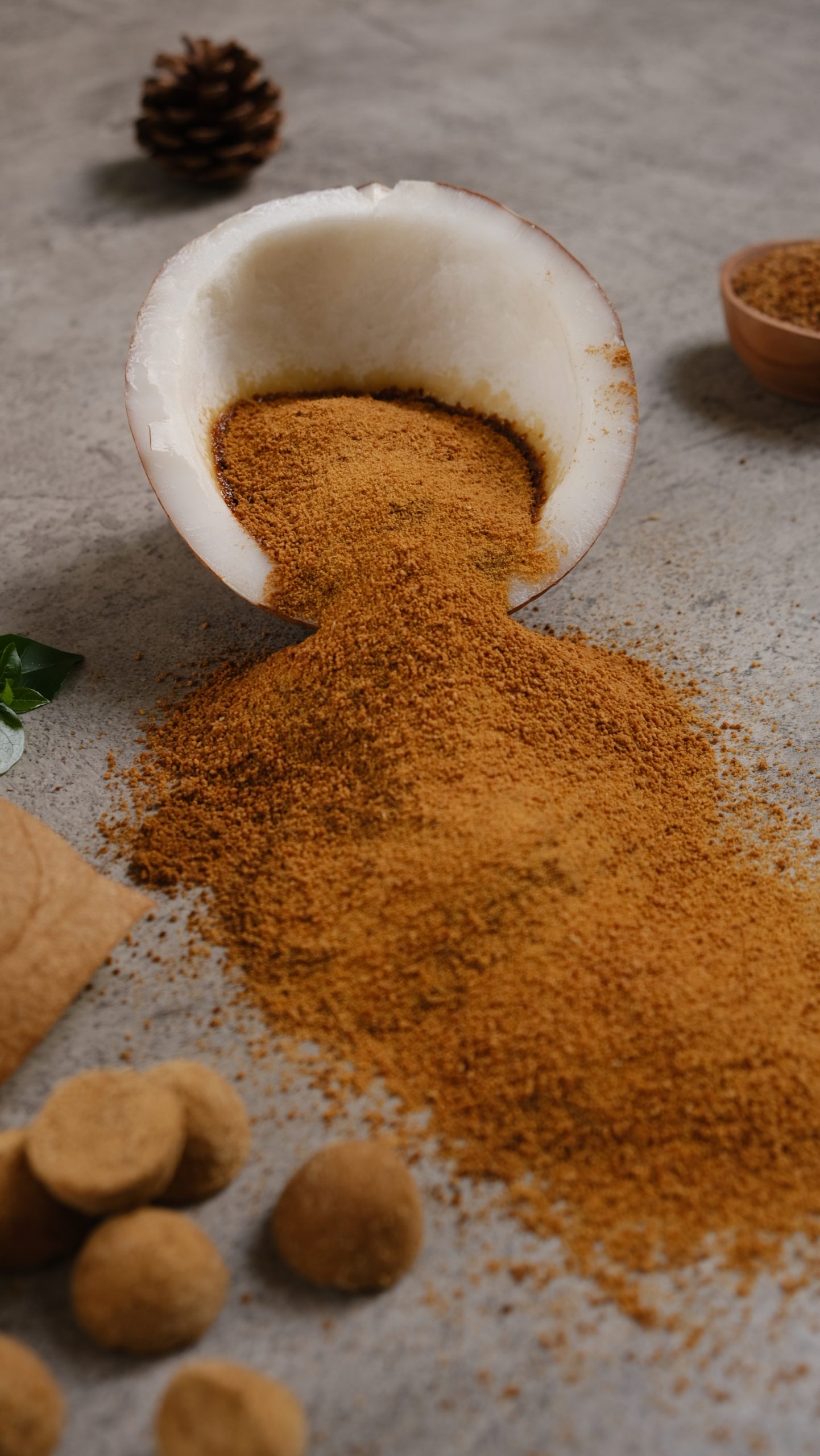
19 Sep Mangosteen Skin: An Organic Solution for High-Quality Coconut Sugar Production
Coconut sugar has become increasingly popular among health-conscious and environmentally aware consumers. Coconut sugar farmers are often looking for ways to enhance the quality of their products, and one intriguing organic solution is the use of mangosteen skin. In this article, we will explore how mangosteen skin can be utilized by coconut sugar farmers to produce the finest coconut sugar, and why this approach is a sustainable one.
The Marvelous Fruit with Organic Potential
Mangosteen is a tropical fruit known as the “queen of fruits” due to its delicious flavor and high nutritional content. However, what is less known is the value of mangosteen skin. Mangosteen skin contains natural compounds rich in antioxidants, such as xanthones and tannins, which possess antimicrobial and antioxidant properties. These compounds make mangosteen skin an ideal ingredient for preventing sap fermentation in coconut sugar production.
Planting mangosteen trees strategically around coconut palms, renowned for their delicious fruit, can improve soil health, reduce the reliance on chemical pesticides, and establish a balanced ecological environment, thereby enhancing the quality of organic coconut sap.
Mangosteen Skin Prevents Sap Fermentation
The process of making coconut sugar involves extracting sap from coconut trees, which is then heated and concentrated into sugar. Farmers often face the challenge of unwanted sap fermentation, which can result in low-quality coconut sugar. Fermentation is typically caused by microorganisms like yeast and bacteria present in the sap.
Mangosteen skin contains natural antimicrobial compounds that can inhibit the growth of these microorganisms. When added to the sap, these compounds act as natural antimicrobial agents, preventing undesirable fermentation and maintaining the quality of the sap.
Enhancing the Quality of Coconut Sugar
By using mangosteen skin, coconut sugar farmers can significantly improve the quality of their products. Coconut sugar produced from sap that hasn’t undergone excessive fermentation has a better taste and higher sugar content. Additionally, products treated with mangosteen skin tend to have a longer shelf life due to the inhibition of microorganism growth.
Sustainability and Environmental Impact
The utilization of mangosteen skin in coconut sugar production also offers significant environmental benefits. Not only are the compounds in mangosteen skin natural and organic, but the use of mangosteen skin can also help reduce agricultural waste. This aligns with the principles of organic and sustainable farming.
Using mangosteen skin as a natural antimicrobial agent in coconut sugar production is a smart and sustainable step for coconut sugar farmers. This not only enhances the quality of their products but also reduces the negative environmental impact. High-quality coconut sugar produced through this method will be increasingly sought after by consumers seeking organic and healthy products.
As consumers, we can also support coconut sugar farmers striving to produce high-quality coconut sugar through sustainable means. In doing so, we play a role in preserving biodiversity and promoting the development of sustainable organic farming practices.
For more information, please reach out to us through our social media platforms: Instagram and Facebook.
No Comments