


05 Sep The Organic Coconut Sugar Revolution and Its Impact on Farmers
The “organic revolution” has recently sparked a tangible trend towards healthier and more sustainable dietary preferences. Organic coconut sugar, an intriguing alternative to regular sweeteners, is at the forefront of this movement. Beyond its health benefits, the increased use of organic coconut sugar has also triggered remarkable changes in the farming community. This article will delve into the significant impact of this revolution on farmers and their livelihoods.
Impact for Organic Farmers
A Sweet Transformation in Agriculture
As we’ve discussed glycemic indexes in previous articles, organic coconut sugar derived from coconut flower sap is gaining popularity due to its lower glycemic index and rich nutritional profile. However, its appeal extends beyond the consumer market. Organic coconut sugar farmers have embraced this alternative sweetener as a means to improve their livelihoods and contribute to sustainable farming practices.
Enhanced Income and Livelihood Opportunities
Coconut farming has long been a source of livelihood for many rural communities in tropical regions. With the introduction of organic coconut sugar production, farmers have found a new avenue to diversify their income and enhance their profitability beyond coconut production alone. This shift in approach has resulted in increased economic stability and reduced vulnerability to market fluctuations.
Sustainable Farming Practices
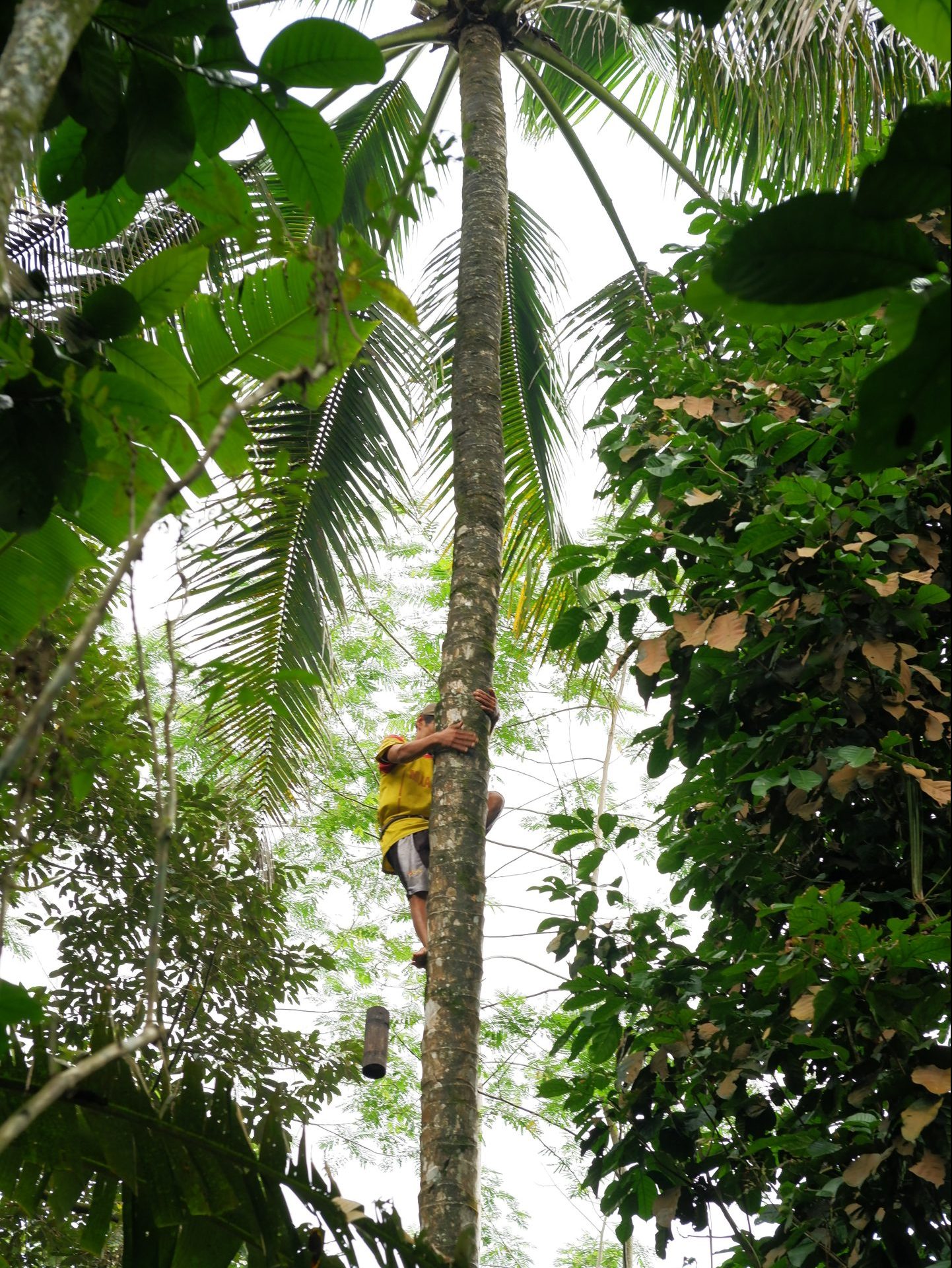
The process of harvesting organic coconut sugar aligns with environmentally-friendly practices. Coconut trees, known as the “tree of life” for centuries, are not only felled for their coconuts; farmers also tap them for their sap while allowing the trees to remain intact. Preserving these trees contributes to overall environmental health by reducing deforestation. Additionally, organic coconut sugar production typically involves organic farming methods that eschew the use of pesticides and synthetic fertilizers, offering greater environmental and health benefits for farmers.
Community Empowerment
The organic coconut sugar revolution has fostered a sense of community among farmers. As they transition to producing this valuable commodity, farmers often collaborate and share knowledge about best practices. This exchange of information not only enhances the quality of their products but also strengthens the bonds within the farming community.
Improved Quality of Life
Many coconut farmers have seen improvements in their quality of life due to increased productivity and enhanced farming practices. They can invest in better permaculture, provide education for their children, and access improved healthcare services, which have a positive impact on their social networks and communities.
Preserving Cultural Heritage
Coconut farming holds deep cultural significance in various communities. By embracing the production of organic coconut sugar, farmers can modernize their methods while preserving their cultural heritage. This harmonious blend of tradition and innovation empowers farmers to take pride in their work and pass down their expertise to future generations.
The organic coconut sugar revolution is more than just a shift in dietary choices; it represents a transformation in the lives of farmers and the environments they inhabit. As consumers increasingly demand healthier and organically produced foods, organic coconut sugar cultivation offers farmers a path to economic resilience, environmental stewardship, and community development. This sweet revolution serves as evidence of the power of food to catalyze positive change, one coconut tree at a time.
For more information, please reach out to us through our social media platforms: Instagram and Facebook.
No Comments