


15 Nov The Sweet Surge: Exploring the Growing Demand for Coconut Sugar in the European Food Market
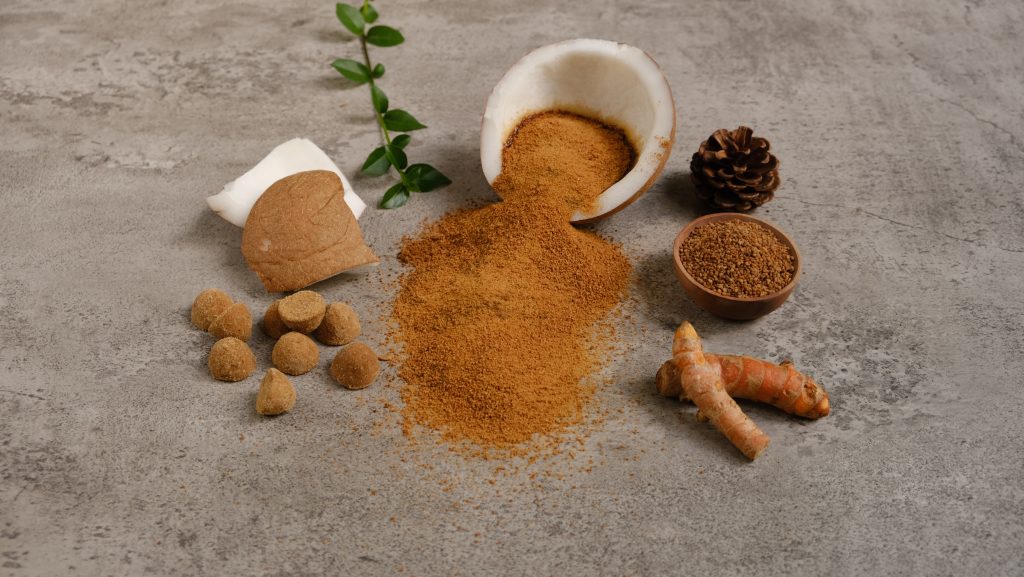
In recent years, the European food market has witnessed a significant shift in consumer preferences towards healthier and more sustainable alternatives. One such trend gaining momentum is the increasing demand for coconut sugar. This natural sweetener, derived from the sap of coconut palm trees, has become a popular choice among health-conscious consumers seeking an alternative to traditional sugars.
Health and Wellness Trends:
The rising awareness of the link between diet and health has led European consumers to scrutinize their food choices more closely. Coconut sugar, often hailed as a healthier alternative to refined sugars, contains essential minerals such as potassium, magnesium, zinc, and iron. Moreover, it has a lower glycemic index compared to regular sugar, making it an attractive option for those managing blood sugar levels or looking to maintain a balanced diet.
Sustainability and Ethical Considerations:
Another driving force behind the increasing demand for coconut sugar is the growing emphasis on sustainability and ethical sourcing. European consumers are increasingly mindful of the environmental impact of their food choices. The production of coconut sugar is considered more sustainable compared to traditional sugar crops. Coconut palm trees are known for their resilience and ability to thrive in diverse ecosystems, requiring fewer pesticides and fertilizers than other sugar crops. This aligns with the preferences of environmentally conscious consumers who are actively seeking products that have a lower ecological footprint.
Versatility in Culinary Applications:
Beyond its health benefits and sustainable qualities, coconut sugar has also gained popularity for its versatile culinary applications. It possesses a rich and caramel-like flavor, making it an ideal ingredient for a variety of dishes, including desserts, beverages, and savory dishes. As more chefs and home cooks experiment with alternative sweeteners, coconut sugar has found its way into recipes that cater to diverse tastes, contributing to its widespread acceptance in European cuisine.
Market Expansion and Product Innovation:
The surge in demand for coconut sugar has prompted both established and emerging food brands to introduce a wide range of products incorporating this natural sweetener. From coconut sugar-sweetened chocolates to beverages and baked goods, the market is witnessing a plethora of innovative offerings. This diversification not only caters to the increasing demand for healthier alternatives but also presents an opportunity for businesses to differentiate themselves in a competitive market.
Challenges and Future Outlook:
While the demand for coconut sugar is on the rise, challenges such as supply chain issues remain. Additionally, the need for education and awareness among consumers is crucial to sustaining this trend. However, the positive trajectory of coconut sugar in the European food market suggests that it is more than just a passing fad.
The increasing demand for coconut sugar in the European food market is a reflection of changing consumer preferences toward healthier, sustainable, and versatile sweeteners. As the trend continues to gain momentum, it is likely that coconut sugar will become a staple in many households and an integral part of the European culinary landscape. The synergy of health benefits, ethical sourcing, and culinary versatility positions coconut sugar as a sweet success story in the evolving world of food preferences.
No Comments